One of the primary reasons why mobile apps are so widely used is their ability to integrate with advanced technologies such as AI, IoT, ML, Cloud, and so on. As a result, mobile applications are here to stay for the foreseeable future.
1.The Internet of Things (IoT) is the
As they provide control over humans and equipment, the Internet of Things is expanding at a breakneck pace. The extension of IoT data with mobile apps provides users with real-time data of humans and equipment on the move, allowing them to improve process efficiency.
IoT applications have already begun to impact enterprises, and top brands have begun to invest in the technological revolution in order to provide users with a seamless connected environment.
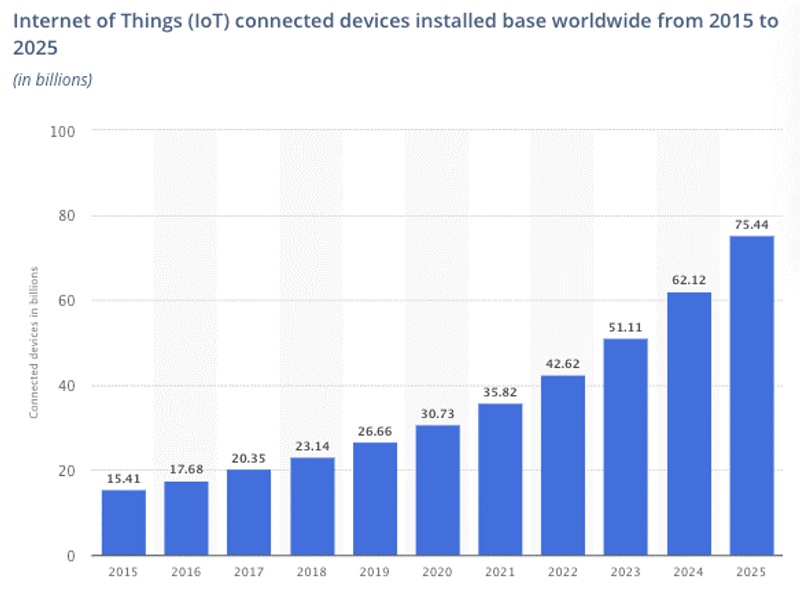
According to Satista, the installed base of Internet of Things (IoT) connected devices worldwide from 2015 to 2025. (in billions)
2.
The introduction of
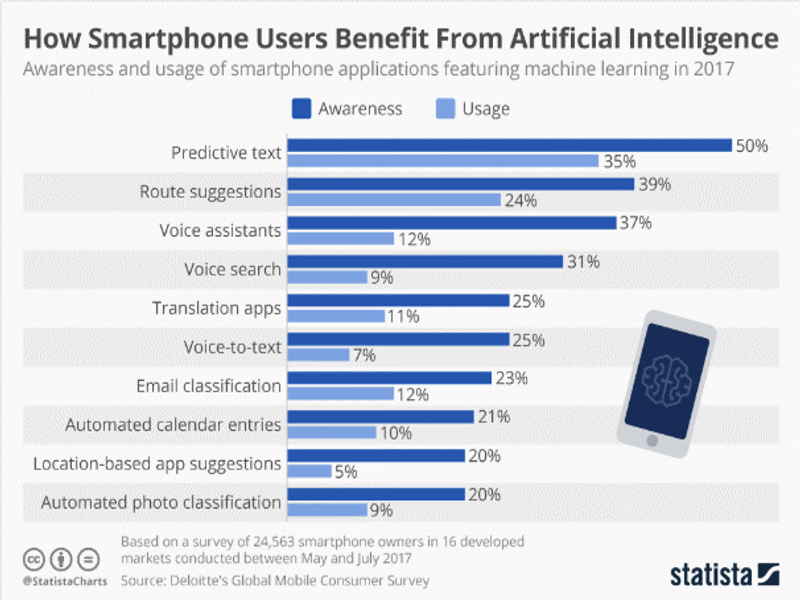
An interesting report from Satista on how AI will benefit smartphone users is shared below.
3.
Enterprises are focusing on apps that connect with wearable devices to deliver information in novel ways (thanks to custom software development). This will transform a wide range of products and services in industries such as sports, fitness, fashion, hobbies, and healthcare.
Connecting wearable devices to smartphones has a significant impact on the next generation of mobile application development strategies, paving the way for new waves of applications that will inspire and improve user experience dramatically.
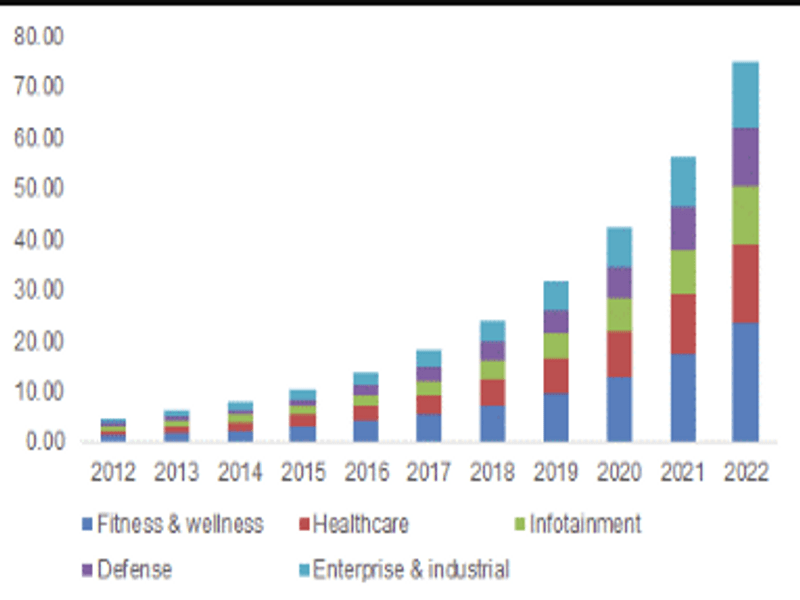
According to Grand View Research, the
4.
Chatbots and mobile apps are causing ripples in the enterprise arena because the combination of both allows enterprises to collect a large volume of user data in order to create a personalized approach to users for delivering a seamless experience.
Here are some
5. Use
The increase in enterprise mobile applications will make storage space more difficult to come by. And cloud storage is the best option for overcoming this challenge.
Furthermore, Cloud services will make data accumulation easy for your company. Furthermore, security precautions and control will be simplified and simplified. In addition to consumers, cloud-based businesses will profit more in this industry.
According to a report, the
Market size for cloud-based applications
Mobile app development's future
5 Mobile App Development Trends to Watch in 2022
1.The Internet of Things (IoT) is the
revolution of mobile app development.
As they provide control over humans and equipment, the Internet of Things is expanding at a breakneck pace. The extension of IoT data with mobile apps provides users with real-time data of humans and equipment on the move, allowing them to improve process efficiency.
IoT applications have already begun to impact enterprises, and top brands have begun to invest in the technological revolution in order to provide users with a seamless connected environment.
According to Satista, the installed base of Internet of Things (IoT) connected devices worldwide from 2015 to 2025. (in billions)
2.
Artificial intelligence in mobile apps
The introduction of
Artificial Intelligence into the technology space
has dramatically altered the way most businesses operate.AI-powered apps
are widely used by businesses to create a smarter user experience with fewer resources, resulting in explosive productivity growth and improved cost savings. Furthermore, customers are sensing a more in-depth and personalized mobile experience like never before.An interesting report from Satista on how AI will benefit smartphone users is shared below.
3.
Wearable technology's impact on mobile app development
Enterprises are focusing on apps that connect with wearable devices to deliver information in novel ways (thanks to custom software development). This will transform a wide range of products and services in industries such as sports, fitness, fashion, hobbies, and healthcare.
Connecting wearable devices to smartphones has a significant impact on the next generation of mobile application development strategies, paving the way for new waves of applications that will inspire and improve user experience dramatically.
According to Grand View Research, the
global wearable technology market
was valued at more than USD 18 billion in 2014, owing to rapid global adoption. Over the forecast period, demand is expected to be driven by rising consumer awareness and a more technically savvy population.
4.
Include a chatbot in your next new app
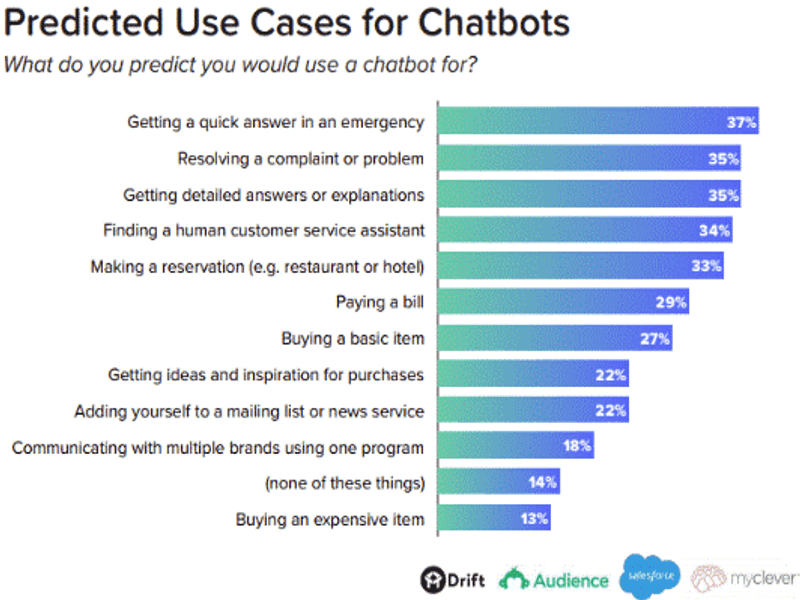
Chatbots and mobile apps are causing ripples in the enterprise arena because the combination of both allows enterprises to collect a large volume of user data in order to create a personalized approach to users for delivering a seamless experience.
Here are some
interesting chatbot use cases for businesses
.
5. Use
Cloud Backend for Mobile App Development
The increase in enterprise mobile applications will make storage space more difficult to come by. And cloud storage is the best option for overcoming this challenge.
Furthermore, Cloud services will make data accumulation easy for your company. Furthermore, security precautions and control will be simplified and simplified. In addition to consumers, cloud-based businesses will profit more in this industry.
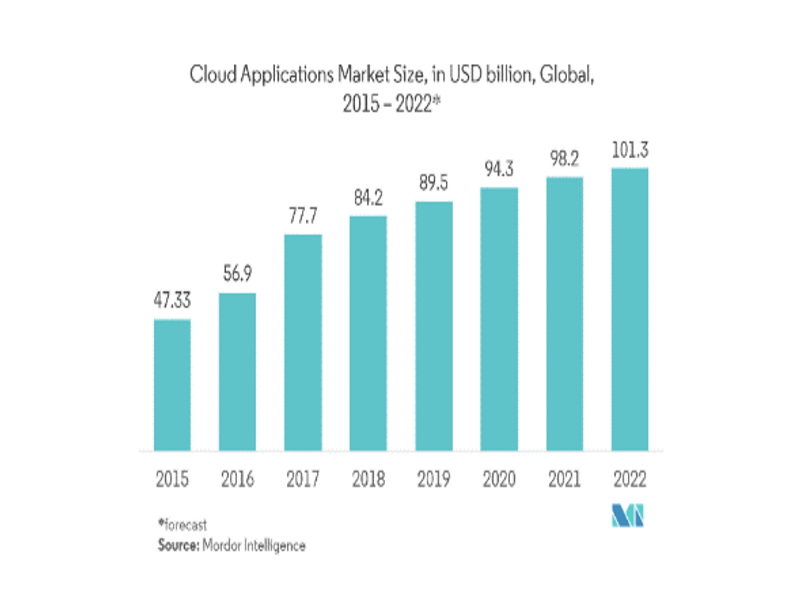
According to a report, the
cloud app development market
will grow to 101.3 billion USD by 2022.Market size for cloud-based applications
Mobile app development's future
With Google hinting at a mobile-first approach for enterprise websites,demand for mobile applications
remains high, but in a different way than applications were developed a decade ago.
The points discussed below will help you understand how top brands approach enterprisemobile app development
.
Increasing revenue and improving customer experience by focusing on productivity-based apps.
Taking user feedback into account when developing apps
Investing inlow-code app development
to accelerate the development